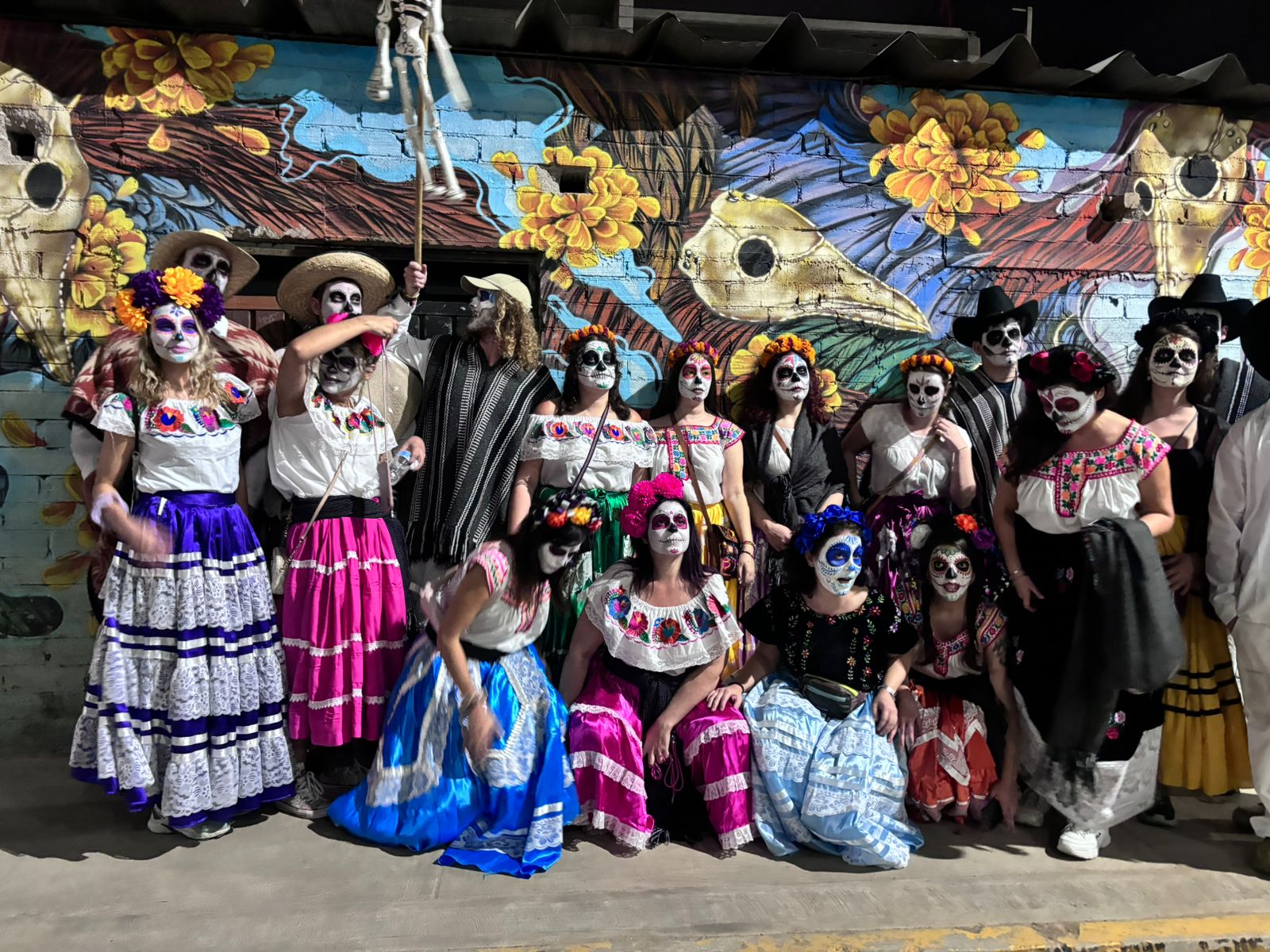
Every October the same question lands in our inbox: "Is Oaxaca actually safe for Day of the Dead?" It is a fair question. Mexico gets a lot of alarming headlines, the celebration happens largely at night, and the busiest evenings take you out of the city to cemeteries and village streets you have never seen before.
The short answer is yes. Oaxaca City is one of the most visited and most welcoming destinations in Mexico, and Day of the Dead is the week when the city is at its fullest: families in the streets, markets open late, cemeteries lit by thousands of candles and visitors from around the world. The risks that do exist are mostly the ordinary ones of any big festival, and nearly all of them can be managed with a bit of planning. This guide explains what those risks really are and how to enjoy every night with peace of mind.
The short answer: safe, with normal big-event precautions
Oaxaca's reputation among travelers is built on its food, its crafts and its people, and on the experience of the hundreds of thousands of visitors who walk its historic center every year without incident. Government travel advisories, like the one published by the U.S. Department of State, divide Mexico state by state; Oaxaca has typically been listed among the states where travelers are asked to exercise increased caution, not among those with travel warnings. In practice that means the same common sense you would use in any busy city abroad.
During Day of the Dead the atmosphere is festive and family-oriented. The streets of the historic center are full until late, which works in your favor: the places visitors actually go are lively, well lit and full of local families doing exactly what you are doing. If you want a broader look at safety across the state, including the coast and the mountains, read our general guide Is Oaxaca safe to visit?
What the real risks look like during Day of the Dead
It helps to be precise. The things that most often spoil a Day of the Dead trip are not dramatic; they are practical.
| Risk | When it happens | How to avoid it |
|---|---|---|
| Pickpocketing | Dense crowds at comparsas, markets and cemetery entrances | Front pocket or cross-body bag, phone in hand only when needed, passport left at your lodging |
| No ride home | After midnight in Xoxocotlán, Atzompa or Etla | Arrange round-trip transport before leaving, or join a tour that includes it |
| Getting separated | Moving comparsas, narrow cemetery paths | Agree on a fixed meeting point and time; save your guide's number |
| Too much mezcal | Muerteadas and late-night gatherings | Pace yourself, drink water, never drive after drinking |
| Night driving | Unlit rural roads, traffic and street closures | Skip the rental car on October 31 and November 1 |
| Cold and fatigue | Valley nights in early November can feel chilly after midnight | Warm layer, comfortable shoes, a rest day between big nights |
| Fireworks | Cohetes during comparsas and processions | Keep a safe distance and follow where locals stand |
Notice what is not on the list. The overwhelming majority of visitors never experience anything worse than sore feet and a late night. The biggest single source of stress is transport: getting out to the cemeteries or Etla at night and getting back again.
October 31: cemetery night
The night of October 31 is when many families keep vigil at the cemeteries around Oaxaca City. The Old Cemetery of Xoxocotlán is the most famous, and it is also the busiest: expect traffic on the access roads, long walks from wherever vehicles can stop, and crowds at the entrance. Inside, the mood is calm and intimate, with candles, marigolds, music and families sharing food beside their loved ones' graves.
Safety-wise, the cemetery itself is rarely the problem. The challenges are getting there through heavy traffic, finding your way along dark, uneven paths, and finding transport back after midnight when taxis are scarce. Bring a small flashlight or use your phone light pointed down at the ground, wear closed shoes, and keep your group together. For etiquette inside the cemetery, see our guide to visiting Oaxaca cemeteries respectfully.
November 1: the muerteada in Etla
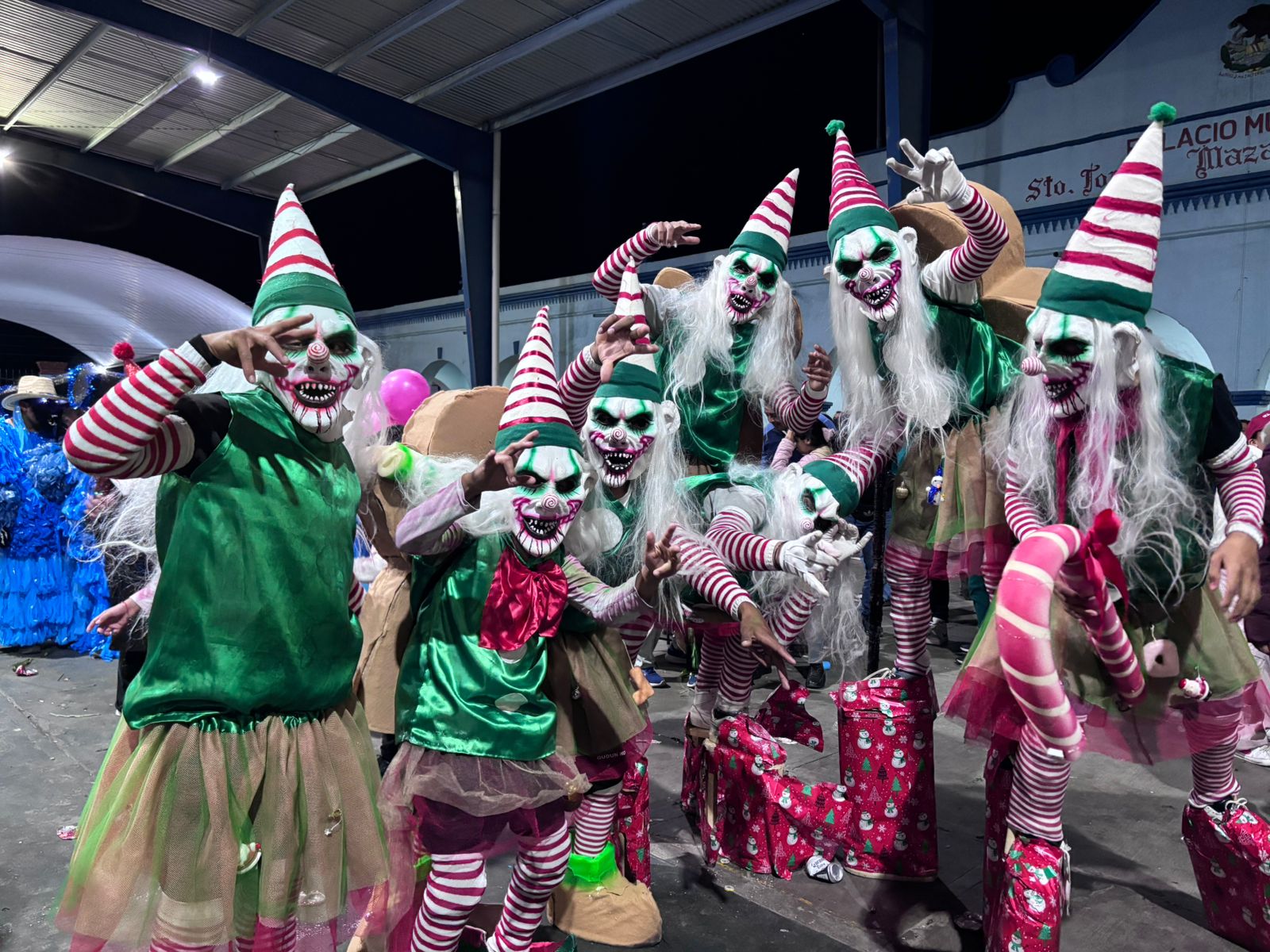
The muerteadas of the Etla valley are the loudest, most energetic part of the season. Comparsas of costumed characters, brass bands and dancers move through the streets of Santiaguito and Soledad Etla for hours, often until dawn. Mezcal is shared, fireworks go off, and the crowd moves with the music.
This is a joyful, community-run celebration, and visitors are generally welcome as long as they follow local guidance. The practical risks come from the setting: tight streets, a moving crowd, fireworks and a lot of alcohol. Stay at the edges of the comparsa unless you are invited in, keep valuables out of reach, and decide in advance how much you will drink. Above all, do not improvise your ride home: Etla is about half an hour from the city, and the end time depends on how the comparsa unfolds. Learn more about the tradition in our guide to the Etla muerteadas.
Safety in Oaxaca City during the festival
Most of your Day of the Dead days will be spent in the historic center: markets, altars, sand tapestries, museums and evening comparsas. Authorities typically reinforce the presence of police and civil protection staff around major public events, and the center remains busy until late.
- Walk in the busy areas: the Zócalo, the Andador Turístico (Macedonio Alcalá), Santo Domingo and Jalatlaco are lively at night. Avoid shortcuts down empty side streets late at night, just as you would in any city.
- Use official taxis or ride-hailing apps: ask your lodging for a trusted taxi stand (sitio). Expect longer waits on October 31 and November 1.
- Carry less: one card, some cash in small bills, and a photo of your passport. Leave the rest at your lodging.
- Watch for street closures: processions and comparsas can close streets with little notice. Allow extra time.
- Stay where you can walk: a base in or near the center keeps you close to the action and to tour meeting points. Our guide on where to stay for Day of the Dead compares the best areas.
Road blockades: the Oaxaca-specific tip
One thing that surprises first-time visitors is the bloqueo, a road blockade used as a form of protest. Blockades are part of political life in Oaxaca; they are usually peaceful and aimed at authorities, not tourists. Their real impact is on travel time, especially on highways and airport routes. Check local news or ask your lodging the day before a long transfer, leave buffer time for flights, and if you meet a blockade, stay calm and follow your driver's lead.
Is Oaxaca safe for solo travelers and women during Day of the Dead?
Many solo travelers, including women traveling alone, visit Oaxaca for Day of the Dead and have a wonderful time. The usual advice applies: share your plans with someone at home, keep your phone charged, watch your drink, and avoid walking alone through empty streets late at night. The biggest upgrade for solo travelers is joining a group for the nighttime outings, since it removes the hardest part of the evening: getting out of town and back again alone in the early morning.
Health and comfort: the risks people forget
- Altitude and sun: Oaxaca City sits around 1,550 meters (about 5,100 feet). Days are sunny and warm, so drink water and wear sunscreen while exploring markets.
- Cold nights: temperatures drop after midnight. A warm layer makes the difference between enjoying the vigil and wanting to leave early. See our Day of the Dead packing list.
- Food and water: drink bottled or filtered water. Busy stalls with high turnover are usually a good sign; if your stomach is sensitive, ease into street food over a few days.
- Pace yourself: back-to-back late nights are exhausting. Plan a slower day between October 31 and November 1; our three-day Day of the Dead itinerary builds that rest in.
Your Day of the Dead safety checklist
- Book lodging in or near the historic center, early.
- Reserve limited-capacity night tours ahead of time; they sell out before the season starts.
- Save emergency numbers: 911 for emergencies anywhere in Mexico and 078 for tourist assistance.
- Keep your lodging's address written in Spanish.
- Carry a charged phone, a small power bank and a flashlight.
- Bring cash in small bills; leave your passport and extra cards at your lodging.
- Agree on a meeting point with your group before every night outing.
- Do not drive after drinking mezcal, and avoid driving rural roads at night.
- Ask permission before photographing families, graves or altars.
Frequently asked questions
Is Oaxaca safe to visit during Day of the Dead?
Yes. Oaxaca City is a popular, welcoming destination, and Day of the Dead is a family-centered celebration. Use the same precautions as at any large festival: watch your belongings in crowds and plan your transport at night.
Is it safe to visit the cemeteries at night?
Yes, the cemeteries are full of local families keeping vigil. The main challenges are traffic, dark paths and finding a ride back after midnight, which is why many visitors go with a guided tour that includes round-trip transport.
Is the Etla muerteada safe for tourists?
Generally yes, if you follow the host community's guidance. It is crowded and loud, with fireworks and mezcal, so stay with your group, keep to the edges of the comparsa and arrange your return to the city in advance.
Should I rent a car for Day of the Dead?
We do not recommend it for the main nights. Traffic, street closures, parking near cemeteries and night driving on rural roads make a car more trouble than help. Walk in the center and use taxis or a tour for nighttime trips.
Where do the Day of the Dead tours start?
Both of our seasonal tours meet at Oaxaca's Zócalo at 8:00 PM: the cemetery tour on October 31 and the Etla muerteada on November 1. Both return to the city center in the early morning.
What number do I call in an emergency?
Dial 911 from any phone in Mexico. For tourist information and assistance, dial 078.
The bottom line
Oaxaca during Day of the Dead is not a place to be afraid of; it is a place to prepare for. The city is full, festive and welcoming, and the risks are the predictable ones of crowds, late nights and rural roads. Stay central, carry less, pace the mezcal and, most importantly, solve your nighttime transport before you leave. Do that, and you can focus on what you came for: candlelight, marigolds, music and a tradition that celebrates life by remembering those who are gone.
Official sources to check before you travel
- U.S. Department of State: Mexico travel advisory, Oaxaca section.
- Government of Canada: travel advice for Mexico.
- Oaxaca State Tourism Office (SECTUR): the official seasonal program (Spanish).
Conditions can change. Check official advisories during the week of your trip and always follow the guidance of local authorities and host communities.