December is gift season, and few places make it as easy to take home something with a story. In the towns around Oaxaca City, families still weave, carve and shape clay in their own workshops. This short guide helps you buy with confidence, pay fairly and get everything home in one piece.
Wool rugs from Teotitlán del Valle
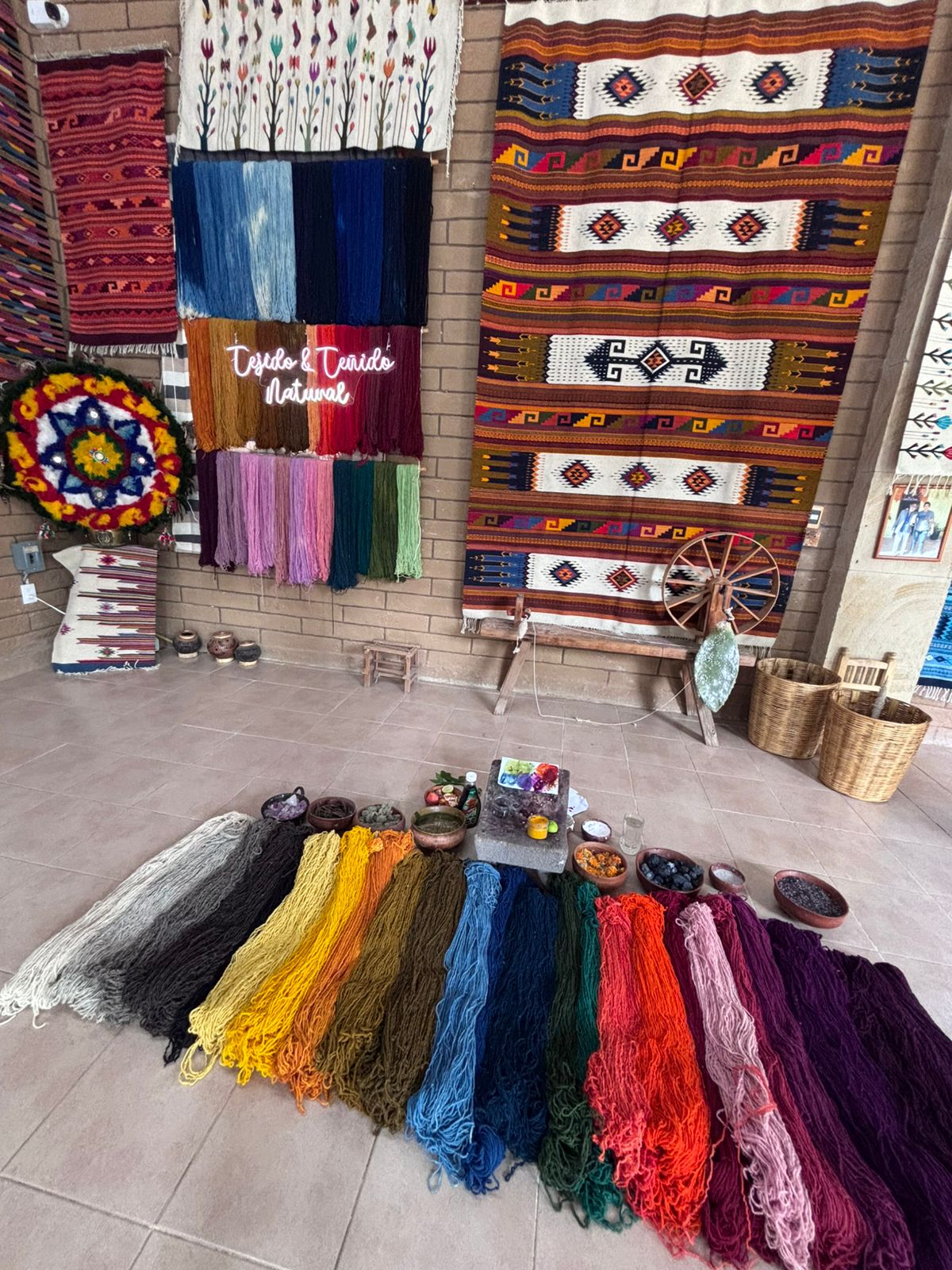
Teotitlán is a Zapotec town with a long weaving tradition. Rugs are made on pedal looms, and many workshops show how they dye wool with cochineal (a tiny insect that gives reds and pinks), indigo and local plants.
What to look for:
- Touch: wool feels springy and slightly warm; the weave should be tight and even.
- Edges: straight sides and well-finished ends are signs of care.
- Color: ask which dyes were used. Natural dyes cost more and are usually softer in tone.
- Time: ask how long the piece took. The answer explains the price.
Alebrijes from Arrazola
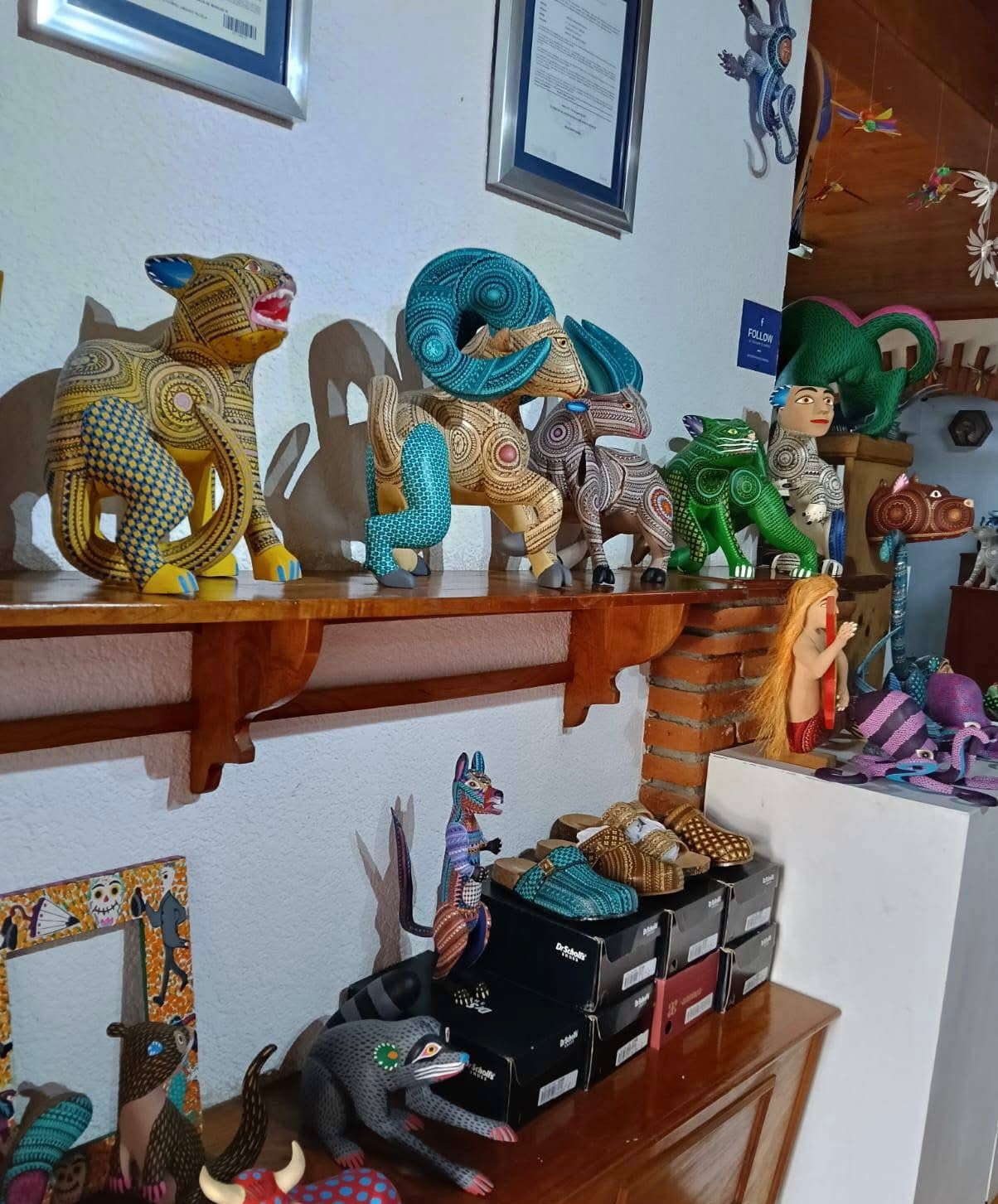
Alebrijes from the valley are usually carved in copal wood and hand painted. Turn the piece over and look closely. Hand painting shows tiny variations in dots and lines; a perfectly identical row of figures suggests mass production. Many artisans sign the base. Cracks can appear if wood moves between climates, so keep your figure away from direct sun and strong heat.
Black pottery from San Bartolo Coyotepec
Black clay gets its color from the way it is fired, and its shine from patient burnishing. Pieces with openwork cutouts make beautiful lamps and ornaments. Tap lightly to listen for a clear sound and check that the base sits flat. Do not fill shiny pieces with water or put them in the dishwasher; dust them with a soft dry cloth.
How to buy fairly
- Buy at workshops when you can, so more of the money stays with the family that made the piece.
- Ask before photographing people or their work.
- A polite question about the price is fine; aggressive haggling over days of handwork is not.
- Carry cash in small bills. Some workshops take cards, many do not.
Packing for the flight
Wrap fragile pieces in clothing and put them in the middle of a rigid bag. Protruding parts of alebrijes, such as ears, tails and horns, are sometimes removable: ask the artisan. Rugs travel best rolled, not folded. If you carry mezcal too, pack bottles in checked luggage and check your airline's and your country's alcohol limits. For wood items, check your destination's customs rules and declare them if required.
Questions that start a good conversation
You do not need to be an expert to buy well. Curiosity does most of the work, and artisans usually enjoy explaining their craft. Try these:
- Did you or your family make this piece here?
- What material is it, and where does it come from?
- Which step takes the longest?
- What do the figures or patterns mean to you?
- How should I clean and store it at home?
A seller who knows the process will answer easily. Vague answers, identical stock stacked in quantity or a price far below everything else are reasons to look more closely.
Ideas by suitcase size
Carry-on only: small alebrijes, black clay ornaments or earrings, a table runner, a bag of Oaxacan drinking chocolate. Checked bag: a medium rug, an openwork pottery lamp packed in a hard box, or several well-wrapped figures. Large pieces: ask the workshop about shipping, request a written quote with insurance and tracking, and photograph the item before it is packed.
Plan your shopping day
Visit the workshops early in your trip, not the last afternoon. That gives you time to compare, to think about a larger purchase and to repack calmly. It also leaves room for a second visit if you keep remembering one particular piece. Holiday weeks are busy, so a custom order may not be finished before you leave. And keep receipts: they help with customs declarations and with any shipping claim.
Frequently asked questions
How much cash should I bring?
It depends entirely on what you want. Small figures and ornaments are affordable; large rugs and detailed pieces cost considerably more. Decide your limit before you walk in.
Which tour visits the rug weavers?
Teotitlán del Valle is on the Hierve el Agua and mezcal tour. Arrazola and San Bartolo are on the Monte Albán route.
Can I order a custom piece?
Many workshops accept orders. Agree on size, colors, price, delivery time and shipping in writing before paying a deposit.
A gift with a name
The best souvenir is one you can describe: who made it, in which town and how. Write down the artisan's name when you buy. To learn more, read about the Zapotec rugs of Teotitlán and black clay in San Bartolo.